Design & Technology
at Bishop Perowne Church of England College
Home » Departments » Design Technology
Intent
Across Design and Technology, Fashion and Textiles and 3D Design, our intent is to inspire creativity, innovation and practical problem-solving.
We aim to equip students with the knowledge, skills and understandingto respond creatively to design briefs and real-world challenges, developing purposeful and imaginative outcomes across a range of materials, processes and contexts.
Through practical learning, students develop independent thinking, reflective practice and imaginative expression, giving them the confidence to explore their own ideas and develop as creative designers.
Key Stages 3 & 4
KS3
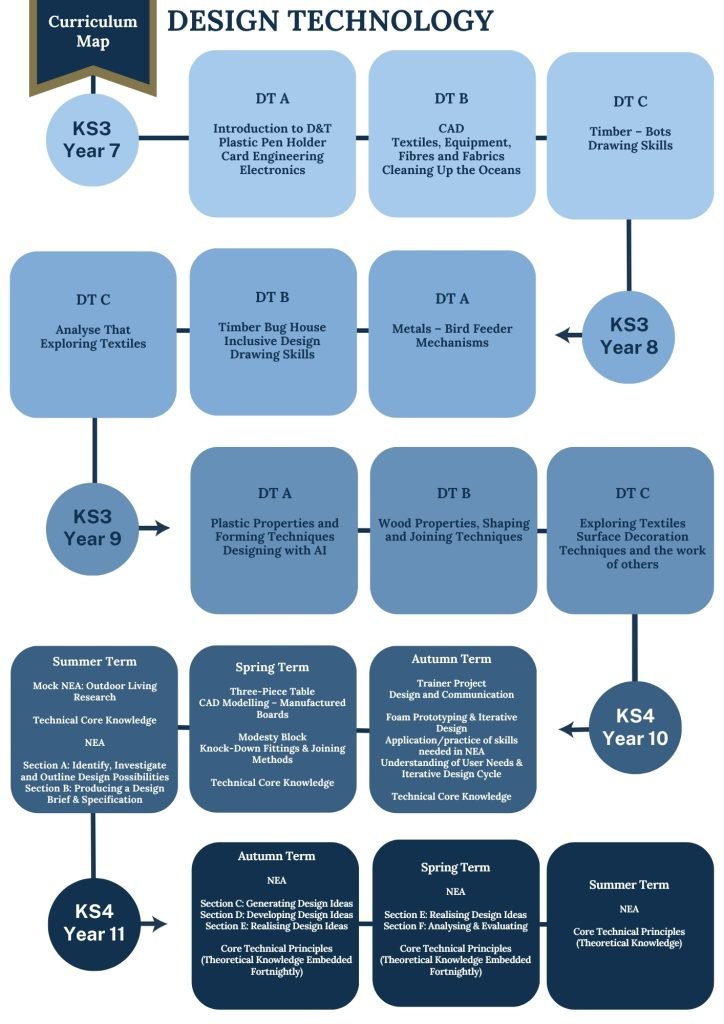
At Key Stage 3, students follow a carefully structured spiral curriculum built around our four core Pillars of Learning: Design, Make, Evaluate and Technical Knowledge.
These pillars are revisited each year with increasing complexity and depth, allowing students to build on prior learning, deepen their understanding and refine their practical skills across a range of materials and design contexts.
This broad foundation equips students with the knowledge, skills and confidence to make informed choices as they progress to Key Stage 4, where they can continue their studies through Design and Technology, Fashion and Textiles or 3D Design.
KS4
At Key Stage 4, students can choose from three specialist pathways: Design and Technology, 3D Design, and Fashion and Textiles. Each course builds on the knowledge, creativity and practical skills developed at Key Stage 3, while allowing students to explore their individual strengths and interests in greater depth.
KS4: Design and Technology
- Students engage in a range of design contexts and learning units to prepare for their Non-Examined Assessment (NEA) project. This qualification involves a design-and-make NEA portfolio, where students follow the design process in response to a context set by the exam board.
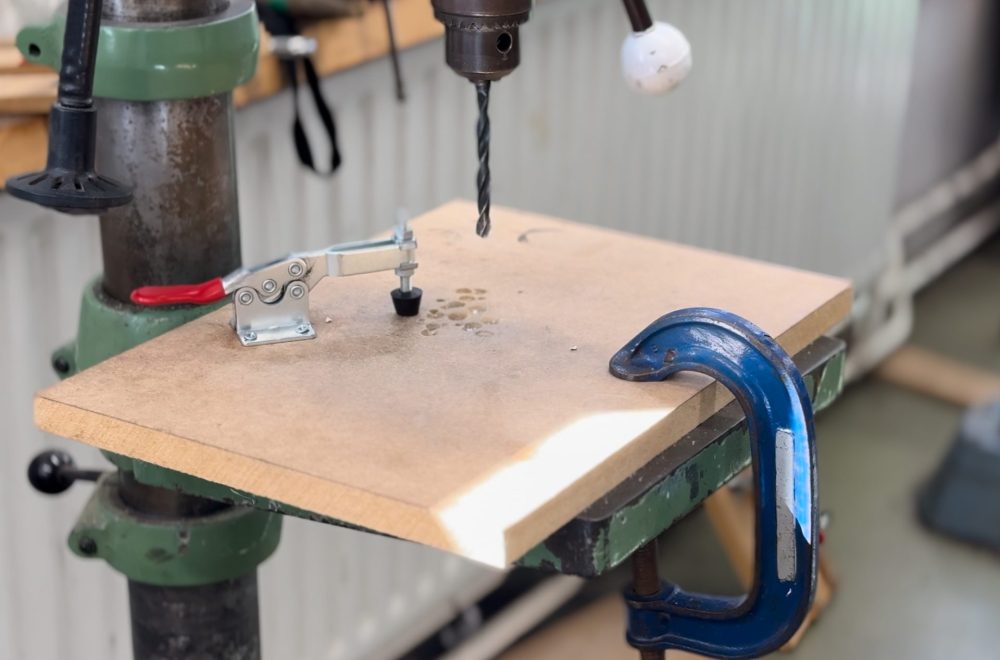
- Students have extensive opportunities to design, make and evaluate, while developing a theoretical understanding of materials and processes. This knowledge underpins the technical component of their Year 11 written examination.
KS4: Fashion and textiles
- Fashion and Textiles is a practical qualification that gives students the opportunity to explore fashion and textiles in creative and developmental ways.
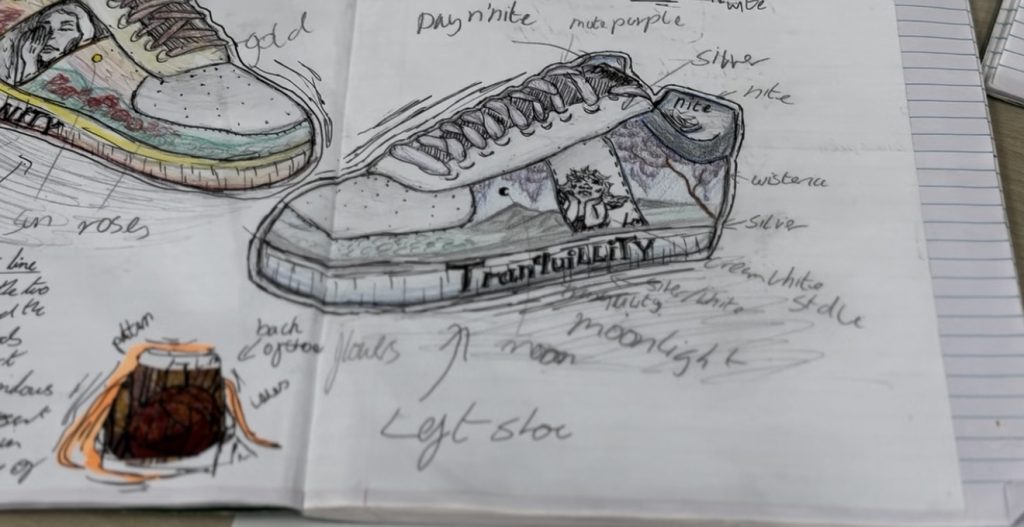
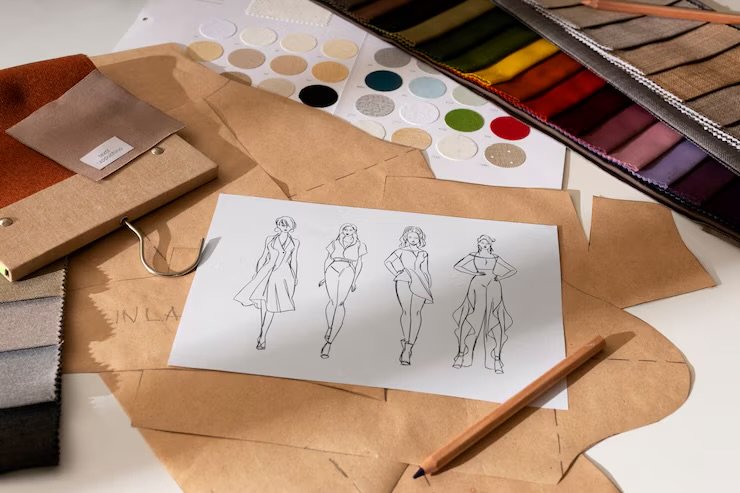
- In Year 10, students are introduced to a wide range of specialist techniques and approaches, which may include art textiles, fashion design and illustration, costume design, constructed textiles, printed and dyed textiles, textiles for interiors and digital textiles.
- Students independently research traditional and contemporary artists and designers and respond creatively to their work. Throughout the course, they learn to develop and refine original ideas, experiment with materials and techniques, analyse their own work and learn through creative risk-taking.
- Students complete portfolio work for Component 1, before beginning the externally set assignment in Year 11, where they develop a personal response to a chosen starting point.
KS4: 3D Design
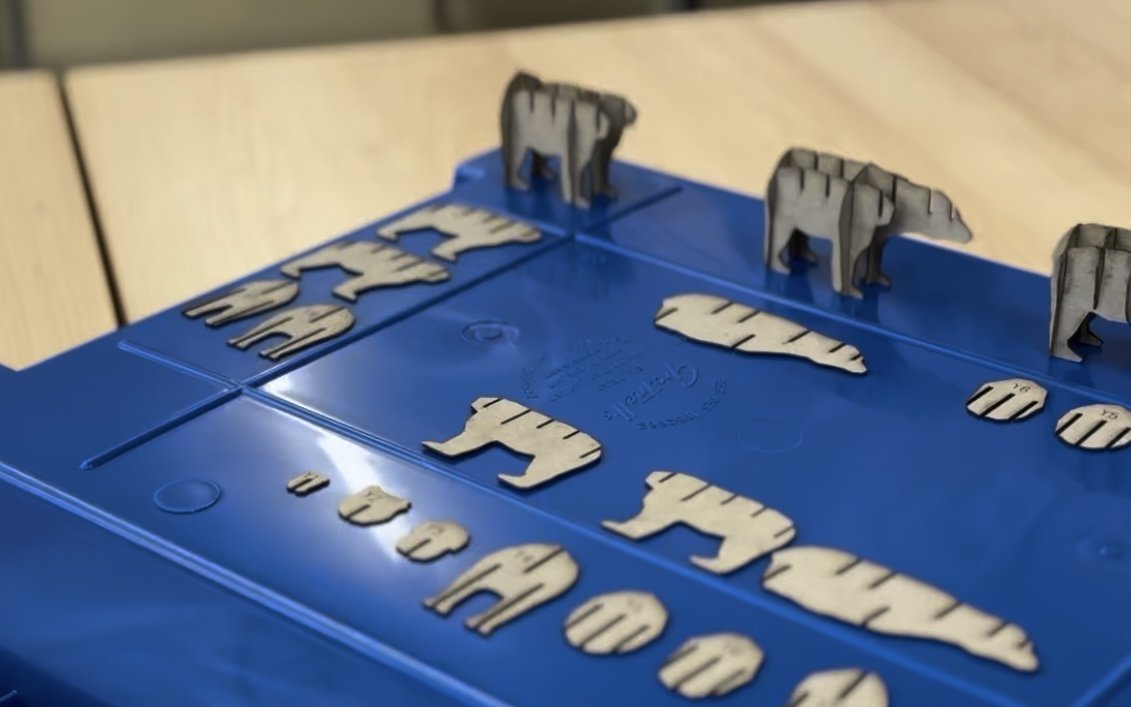
- 3D Design is a practical qualification in which students complete a range of design-and-make tasks, developing skills in model making, computer graphics and 3D construction. There is no formal written theory examination; assessment is practical and portfolio based.
- Students experiment with a wide range of processes, media and materials, using both hand and digital techniques to develop creative outcomes. They learn to approach problems creatively, develop original ideas from initial concepts through to final outcomes, analyse their own work and take inspiration from the work of others.
- The course can support progression into areas such as architecture, set design, interior design, graphic design, advertising and marketing.

Assessment & Lessons
- Formative assessment is embedded throughout lessons across Design and Technology, Fashion and Textiles and 3D Design. Strategies include ‘show me’ boards, quizzes, live demonstrations, peer critique and interactive activities to monitor understanding and support progress.
- Summative assessment takes place during the spring and summer terms. In Design and Technology, students complete written assessments in the style of GCSE examination papers alongside practical and design work. In Fashion and Textiles and 3D Design, assessment focuses on the development, refinement and evaluation of practical work and portfolio outcomes.
- Classroom practice is supported by live demonstrations, visualisers, live marking and feedback, enabling students to respond and make improvements throughout the design and making process.
- Oracy is embedded across the curriculum, with students encouraged to discuss and justify design decisions, evaluate their own work and the work of others, and critically engage with the work of artists and designers.
Enrichment & Co-curricular
We are committed to delivering a rich, inclusive curriculum that extends beyond the classroom. Students are encouraged to take part in a wide range of enrichment and co-curricular opportunities, including:
- Mazak Industrial Cadetswork experience programme
- Collaborations with local artists and designers
- Educational visits, including IKEA, photography experiences and cultural capital visits
- CAD/CAM Club
- Textiles Club
- Robotics Club
- Karting Club
- Year 11 Fashion and Textiles Hubs
- Additional workshop and studio time
These experiences deepen understanding, broaden horizons and develop practical, creative and transferable skills. They also enable students to make links between their classroom learning and the wider design and creative industries, while encouraging students from all backgrounds to engage with the subject.